
Reporters from France 24 visited Dr. Michel Nawfal and Dr. Chadi Ibrahim for an insight on prejudices faced by LGBT patients within health care providing institutions that are caused by societal, traditional, and religious pressures.
France 24

Reporters from France 24 visited Dr. Michel Nawfal and Dr. Chadi Ibrahim for an insight on prejudices faced by LGBT patients within health care providing institutions that are caused by societal, traditional, and religious pressures.
The LGBT Health week 2019 media monitoring report and The Leader in LGBT Health Equity Award media monitoring report.
by Ellen Francis – The Daily Star
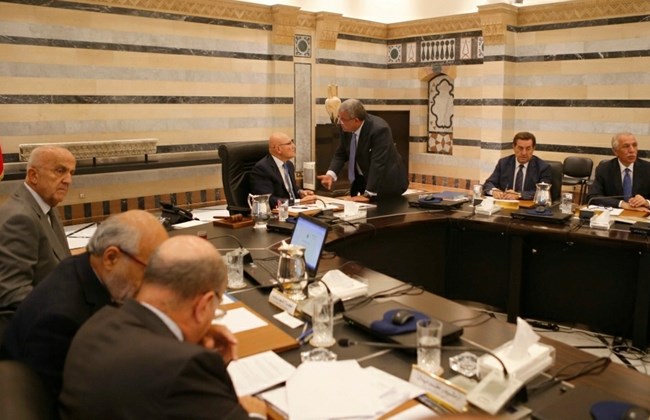
BEIRUT: Prime Minister Tammam Salam has yet to respond to a letter he received earlier this month from a sexual health organization urging him to put an end to unethical “anal tests” and other discriminatory measures used on those suspected of being homosexual, which is illegal under Lebanese law.
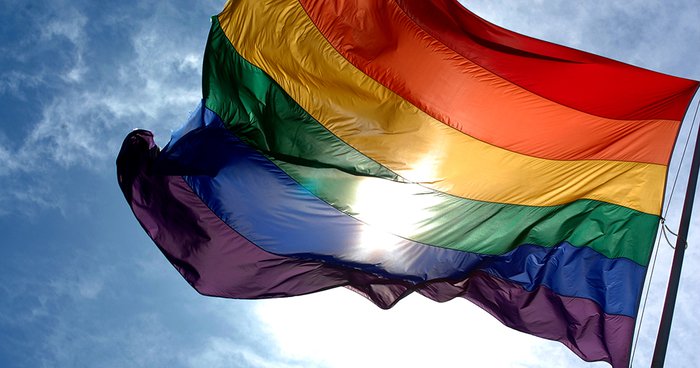
The month of June is celebrated by the LGBTQ community and its allies around the world as Pride Month. As the month comes to a close, we take a closer look at the LGBTQ community in the Arab world.
Read More “For Pride Month, We Talked to Members of the Arab World’s LGBT Community”
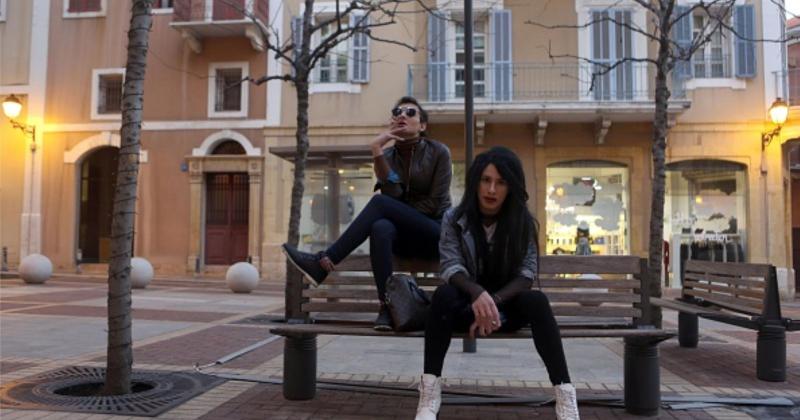
These organizations are advocating for change in a system that finds no shame in homophobia.
“The minute the dermatologist heard he was gay, she was just certain he had HIV—despite him having safe sex with the same partner for the past eight months, nor receiving a blood transfusion or using IV drugs,” says Omar Fattal, a psychiatrist and co-founder of the Lebanese Medical Association for Sexual Health, or LebMASH for short. He pauses and sighs with a look of disgust as he recounts the story of one of his close friends.
“A friend of mine told me about this time he had a skin infection in beard for a while,” Fattal says. “He went to see an infectious disease doctor, and told her that he was gay…and suddenly, she just said: I think you have HIV.”
Lebanon’s healthcare system has an abundance of problems; it lacks universal coverage, it favors those with expensive private insurance, and—like the rest of Lebanese institutions—succumbs to clientelism (treatment is heavily affected by political affiliation and socioeconomic status).
When it comes to Lebanon’s LGBTQ community, its increased organizing and activism towards a more inclusive, non-discriminatory health care system seldom makes headlines. Cases of people who rely on on Lebanon’s limited National Social Security Fund (only available for Lebanese nationals) dying on the doorsteps of hospitals are not uncommon either.
Following a meeting with The World Bank in Washington, DC, Health Minister Ghassan Hasbani confirmed that Lebanon will be receiving $150 million in loans and grants for its health care sector. While he has expressed interest in health care reform such as building more institutions and including mental health care on the NSSF via The World Bank, not much else is known about how or if any of that money will be allocated towards make health institutions inclusive and accessible for Lebanon’s LGBTQ community.
“Heterosexism is as bad as homophobia in clinical practice in the way it affects patients,” says LebMASH co-founder, and OGBYN Hasan Abdessamad. “In Lebanon it’s not a social taboo to be homophobic—not yet.” Heteronormativity, he says, is an implicit form of homophobia that makes way for more abuse and discrimination. He says that people who identify as transgender deal with this the most.
“Healthcare providers made loud remarks and giggles about the way a gender nonconforming individual looked and they mocked the name that person chose for themselves,” Abdessamad says while recalling instances of discrimination he witnessed in Lebanon.
Source: Tonic.vice.com

The implementation of sexual education in Lebanon has had a turbulent history. It was first officially addressed in 1995, when a sex-ed curriculum, intended to be presented to eighth-grade (12 to 14-year-old) students, was crafted by United Nations institutions and a multitude of experts under the administration of the Educational Center for Research and Development. It included information about the physiological changes occurring during puberty, the structures and functions of reproductive organs, and an overview of the menstrual cycle and fertilization. It also offered an overview on sexually transmitted diseases (STDs) and birth control, although these topics were framed in local contexts, emphasizing abstinence and monogamy, and mentioning abortions only as last-resort procedures in emergency medical situations (in accordance with Lebanese law).
التهميش مضر للصحة… حملة توعية لاحترام الإنسان كيف ما كان!
Read on LBCgroup.tv
مقابلة مع جاكلين شهوان على الشبكة العربية للاخبار عن الأسبوع الصحي الأوّل من نوعه في #لبنان و العالم العربي. تضََّمن الأسبوع مؤتمر طبي لمقدّمي/ات الخدمات الصحيّة والأطباء، ورش عمل للتلامذة في مجال الصحّة، مؤتمر صحفي وإطلاق ٣ فيديوهات توعية، محاضرات و ندوات، و حفل تكريم لروّاد في صحّة الأقليّات الجنسيّة في #لبنان. أنا كنت ممثّلاً للجمعيّة الطبيّة اللبنانيّة للصحّة الجنسيّة، لبماش.
Watch Video

The Lebanese LGBT community celebrated a huge legal victory last week when Judge Rabih Maalouf failed to prosecute a gay couple for having sexual relations.
Read More “Lebanese Gay Couple Not Prosecuted Under ‘Order of Nature’ Law”
A court in Lebanon has ruled that homosexuality is natural and is not a criminal offense. [Contrary to an earlier version of this article, the ruling was not made by the Supreme Court in Lebanon.]

LebMASH 4th Annual Halloween Fundraising Event was held on Friday, October 28 2016 at the UnionSquare “BallRoom” in NYC and was a huge success. It was an incredible evening with a huge venue, dancing performance, and oriental music. The BallRoom was packed with around 160 people from all around USA (Philadelphia, Boston, Chicago, Miami, Houston, California, Seattle), also from Canada and the Middle East (Lebanon, Kuwait and Egypt). It also gathered 6 of LebMASHs Executive Board Members.
Read More “4th Annual Fundraiser in NYC Breaks Previous Records”
 lebmash.org