
The LGBT Health week 2019 media monitoring report and The Leader in LGBT Health Equity Award media monitoring report.
Media Monitoring Reports

The LGBT Health week 2019 media monitoring report and The Leader in LGBT Health Equity Award media monitoring report.
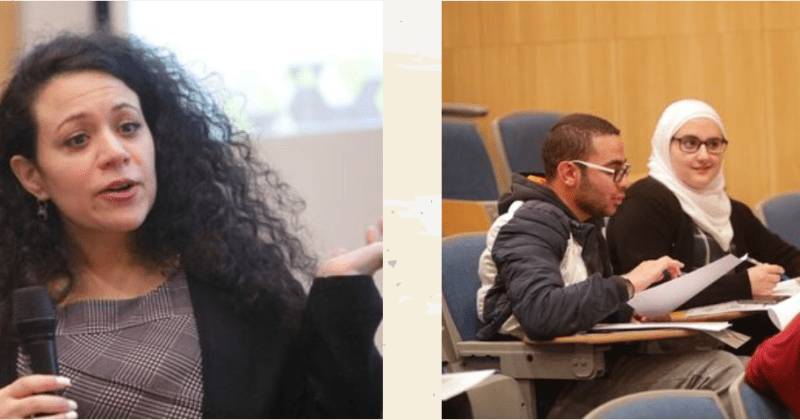
With the support of the ARCUS fund, our 3rd annual LGBT Health Week came about in March 2019! Under this year’s slogan “امتياز بلا تمييز”,”Excellence Without Discrimination”, this year’s LGBT Health Week kick-started.

The busiest month of the year kicked off with the launching of our annual benefit auction,
which was hosted on ArtScoops.com. Twenty-nine generous artists had donated beautiful
pieces to be auctioned off in support of LebMASH’s cause.
by Ellen Francis – The Daily Star
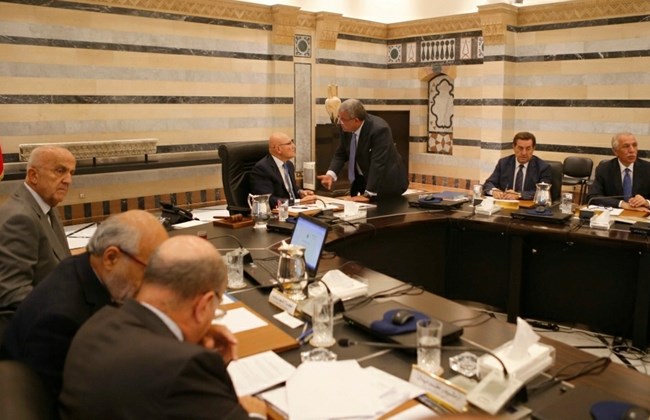
BEIRUT: Prime Minister Tammam Salam has yet to respond to a letter he received earlier this month from a sexual health organization urging him to put an end to unethical “anal tests” and other discriminatory measures used on those suspected of being homosexual, which is illegal under Lebanese law.
Summary:
In 2012, an initial partial ban on anal testing was issued. However, there were multiple reports that showed that anal testing continued to take place despite the ban. LebMASH played a significant role in cementing the ban on anal testing in 2014 through raising public awareness on the issue and lobbying with the Lebanese Order of Physicians and putting pressure on the Lebanese government.
Timeline
2012
Human Rights Watch brings attention to the issue:
The head of the Lebanese Doctor’s Syndicate, Dr. Sharaf Abu Sharaf, issued a directive on August 8, 2012 calling for an end to anal examinations, stating that they are medically and scientifically useless in determining whether consensual anal sex has taken place and that they constitute a form of torture. He added that they also violate article 30 of the Lebanese law on medical ethics, which prohibits doctors from engaging in harmful practices.
The tests also violate international standards against torture, including the Convention Against Torture and the International Covenant on Civil and Political Rights, which Lebanon has ratified. The U.N. Committee Against Torture, in its 2002 review of Egypt, investigated the issue of forensic anal examinations and called on the government “to prevent all degrading treatment on the occasion of body searches.”
In a statement given to the Lebanese daily Al-Akhbar on August 2, Justice Minister Shakib Qortbawi said that he had two months earlier written Attorney General Said Mirza urging him “to halt random rectal examination procedures, after the issue was raised by human rights organizations.” However, the attorney general’s subsequent directive, the text of which Legal Agenda, a Lebanese rights organization, published on August 7, contradicts the Minister’s statement to Al-Akhbar.
Far from ordering an end to the procedures, the attorney general’s directive in fact institutionalized them further, instructing public prosecutors to order the anal examination be carried out only “with the consent of the accused, according to standard medical procedures, and in a manner that does not cause significant harm.” The directive added that if the accused refused to undergo the examination, he should be informed that his refusal “constitutes proof of the crime.”
July 2014
Legal Agenda reports that anal tests are still happening
July 2014
LebMASH releases position statement on anal tests.
Aug 2014
LebMASH meets with LOP president Dr. Boustani to voice concerns over anal tests and urge LOP to reaffirm its position on banning anal tests and ensure that forensic doctors are not allowed to perform these test.
LebMASH offered to conduct sensitivity training workshops to Forensic doctors to explain the harms of anal testing.
For more info, click here.
October 2014
LebMASH sends a letter to Prime Minister Tamam Salam to urge him to put an end to anal tests. For more info, click here.
No further anal testing reported after that in Lebanon.

It is with great pleasure that we share with you our 2017 Annual Report. We hope that reading this report will inspire you to share it with your friends and contacts.
For any questions or comments please contact LebMASH at info@lebmash.org To make a donation, click here. Your support drives our work and makes our achievements possible. You become a partner in impacting the positive change we aspire for.
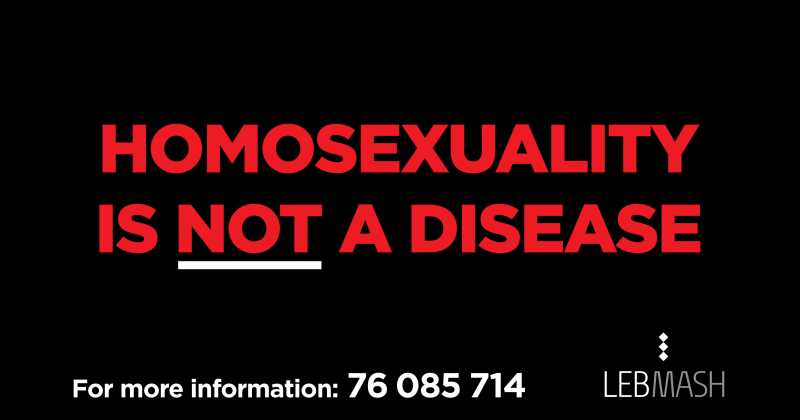
Extensive studies have shown repeatedly that there is a direct and indirect relationship between discrimination and marginalization against LGBT people and major health issues especially in the areas of mental health, HIV/AIDS and access to care.
In Lebanon, while stigma and taboo provide an overall context for the marginalization of LGBT issues, including LGBT health, government and media censorship pose a direct obstacle to any efforts of promoting the health of LGBT individuals. This year, we share with you an unfortunate example of this censorship.
While TV and radio stations routinely host individuals who freely spread myths and misconceptions about homosexuality, LebMASH has been banned from appearing on several TV programs and radio shows to discuss its awareness campaigns and the reasons vary between “we don’t talk about these things out of respect to our viewers” to “these issues are taboo in Lebanon”.
And earlier this month, despite several candidates in the recent parliamentary elections speaking publicly in support of LGBT rights, the Lebanese General Security decided, without a given reason, to ban the airing of a series of billboards that were meant to be part of a LebMASH campaign aiming at raising awareness around homosexuality not being a disease and more importantly highlighting the harmful effects of attempts to change people’s sexual orientation. The billboards were meant to display the three following messages:
– Homosexuality is not a disease
– Homosexuality is a natural state
– Attempts to convert gay people are harmful and should be banned
It’s worth mentioning that these messages are backed by science, have been endorsed by major mental health professional organizations around the world, and have been endorsed by our own Lebanese Psychiatric Society and Lebanese Psychological Association in 2013. But, due to government censorship, 72% of the Lebanese public will continue to believe erroneously that homosexuality is a mental illness, and numerous parents will continue to drag their teenage gay sons and lesbian daughters to mental health professionals so they can be subjected to various forms of harmful mental and physical practices in the futile attempt to “convert” them from gay to straight.
By Omar Fattal, MD, MPH LebMASH Executive Board Member
“Shakhess mesh tashkhiss” is the slogan of LebMASH’s second annual LGBT health week that will take place March 17-19, 2018. The main message of this campaign is not to medicalize homosexuality by trying to frame it as a psychological, hormonal, or genetic disturbance. The slogan also encompasses LebMASH’s 3 signature diamond shaped dots that represent: research, education, and policy.

On Oct 28, 2017, the Lebanese Medical Association for Sexual Health (LebMASH) celebrated Halloween Middle Eastern style, for the fifth year in a row.
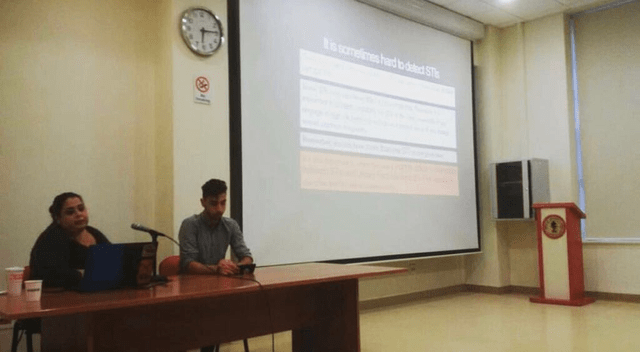
Dr. Angela Massouh, LebMASH board member and Mr. Maher Sleiman, LebMASH volunteer presented about Sexual Health and Sexually Transmitted Infections on September 29 at the American University of Beirut Gender and Sexuality club. The presentation addressed healthy sexual behaviors and tackled the most common sexually transmitted infections (STIs). It introduced the audience to the several modes of transmission, detection, and prevention of common STIs. It debunked common myths on sexual health. The presentation was very well received and a healthy and stimulating discussion ensued.
 lebmash.org